

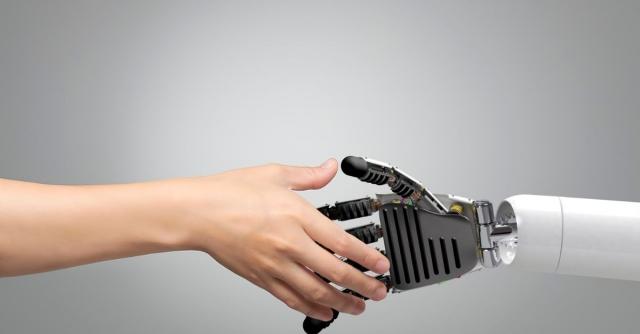
We live in a world where artificial intelligence (AI) has completely changed the landscape of many industries. Translation is no exception to this case. Tools like Google Translate provide translations quickly and conveniently. This is why many businesses and individuals are tempted to rely solely on machines. However, when it comes to translation proofreading, the human touch remains a must to make sure everything is 100% accurate.
So, why is human intervention so important in translations, even in an era where AI is a dominant force? This article will tell you everything you need to know.
The Limitations of AI in Translation
AI-generated translation has witnessed serious growth in recent years. They can quickly translate text between different languages, which saves a lot of time and effort. However, AI tools often struggle to capture the nuances of the language.
Idiomatic expressions, cultural references, and sentences with a specific context can be misunderstood by AI translators. For instance, a phrase that is humorous in one language might be confusing or offensive in another. AI lacks the cultural sensitivity and understanding that is needed to navigate these complexities effectively.
What Do Human Proofreaders Do?
Human proofreaders are more adept at bringing a level of understanding and empathy that AI cannot replicate. They can interpret the context, tone, and intent behind the text. Because of this, the translation resonates with the target audience. A human touch in translation proofreading is critical in fields like marketing, legal documents, and literature, where the subtleties of language play a massive role in conveying the intended message.
Moreover, human proofreaders can identify and correct errors that AI might overlook. While AI can detect grammatical mistakes, it may not recognise awkward phrasing or inconsistencies that can affect the readability and professionalism of the text. A human touch ensures that the final version of the translation is polished and coherent.
The Importance of Cultural Sensitivity
Language and culture are strongly correlated with each other. Words and phrases carry meanings that are shaped by cultural contexts. Human proofreaders possess the cultural knowledge necessary to adapt translations appropriately. They can localise content, adjusting expressions and references to align with the cultural norms and expectations of the target audience. This cultural sensitivity is vital for effective communication and to avoid potential misunderstandings.
The Hybrid Approach: Combining AI and Human Expertise
Rather than viewing AI and human proofreading as opposing forces, many experts vouch for a collaborative approach. AI can handle the initial translation and provide a foundation that is fast and efficient. Human proofreaders can then refine the translation by adding the necessary cultural context, nuance, and emotional resonance. This hybrid model is a great way to use the strengths of both AI and human expertise. It results in translations that are both accurate and culturally appropriate.
Final Thoughts
There's no doubt that AI has made translation easier than ever before. But it cannot replace the nuanced understanding and cultural sensitivity that human proofreaders bring to the table. Effective communication doesn't just require accurate words. It demands a deeper understanding of context, culture, and intent. The human touch helps convey messages accurately and meaningfully. This bridges language barriers in a way AI can't achieve on its own.